Unacceptable for a child to die from diptheria in 2026!
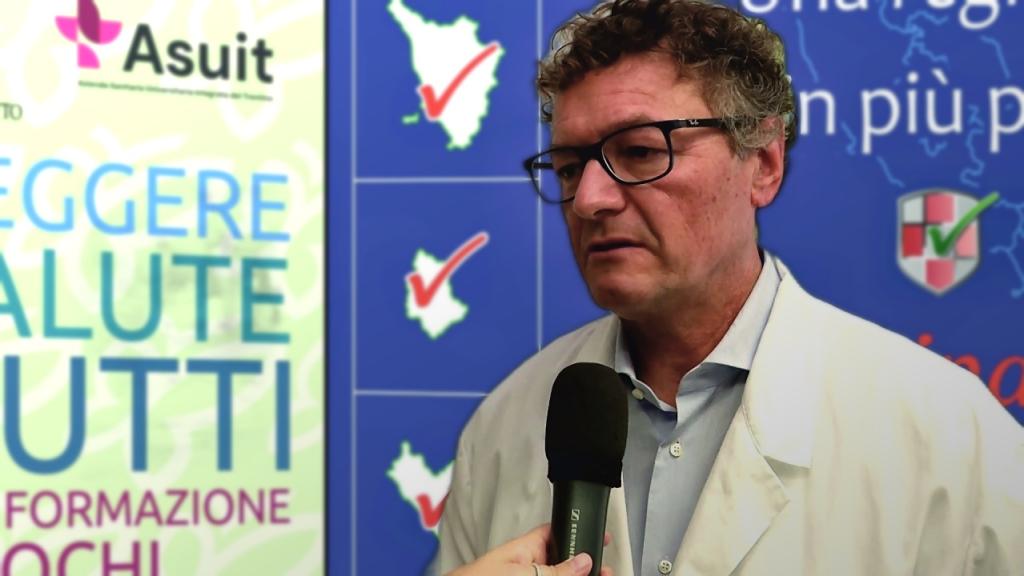
The case of diphtheria in an unvaccinated girl serves as a major wake-up call and a grave setback for Italian Public Health. This is the urgent appeal for vaccination from Antonio Ferro, General Director of ASUIT in Trento and Past President of SiTI.
Vaccination is one of the most significant scientific discoveries in the history of medicine and has been instrumental in increasing life expectancy worldwide. The impact of vaccination on Public Health is comparable only to the availability of drinking water in its importance for humankind. Historically, the practice of administering minimal amounts of inactivated or attenuated microorganisms (viruses or bacteria)—or, more often, parts of them—to train the immune system to recognize infectious agents and develop a protective response, thus preventing infection, predated a full biological understanding of its mechanisms.
It was only with the development of microbiology and immunology between the 19th and 20th centuries—up to the most recent discoveries regarding lymphocytes and immune responses—that science was able to confirm the extraordinary effectiveness and safety of these treatments. Today, research is not limited to infectious diseases but is expanding its horizons toward vaccines capable of preventing or treating cancer and chronic degenerative diseases.
The resurgence of a serious and preventable disease like diphtheria reminds us that the progress made in combating infections cannot be taken for granted. Diseases we believed to be a thing of the past did not disappear by chance, but rather thanks to decades of widespread immunization campaigns, high public adherence, and the constant commitment of all public health professionals.
Dramatic episodes like this call for deep reflection not only on the event itself, but also on our ability to inform, communicate with, and support citizens in their health decisions. Protecting health goes beyond simply providing medication; it requires accurate information, active listening, and a relationship of mutual trust between citizens and the healthcare system. It is entirely misleading and scientifically unfounded to pit vaccinations against alternative approaches or medicines: vaccination itself has always applied—but with rigorous experimental validation—the principle of preemptively stimulating the body’s defenses before an infection develops.
In this context, clear, competent, and evidence-based vaccination recommendations must play a decisive role in ensuring adherence to immunization programs. Actively promoting vaccinations is not merely a professional duty but a fundamental responsibility for those working to protect public health.
The real challenge for Public Health is not simply treating preventable diseases, but actually stopping them from occurring in the first place. When a little girl falls ill and dies of diphtheria today, the problem is not a lack of preventive measures, but the fact that those measures have failed to reach those who needed them most. In this tragic event, there is a great moral responsibility resting on those who continue to attack vaccinations with arguments that have no scientific basis but which, nonetheless, increase the number of those who are undecided—and, worse still, those who do not vaccinate their children.
The fundamental benefit of mass vaccination lies in what is known as “herd immunity”: when a high vaccination coverage rate is reached, the spread of pathogens is drastically limited, creating a protective shield for the entire community, including vulnerable individuals and those who cannot be vaccinated. This is why the benefits of immunization must be ensured in an equitable and universal manner. This wide-ranging protection safeguards both the individual and the community, reducing complications, hospitalizations, and mortality, with enormous social and health benefits. Furthermore, since infections know no geographical boundaries, their prevention requires a systemic and global approach: the major programs of the World Health Organization (WHO) teach us that defeating serious diseases requires overcoming ideological, economic, and cultural barriers, while always placing the common good and public health at the center.
It is more necessary than ever for every healthcare professional to commit to demonstrating, every day through their work, the importance of vaccinations not only for their own health but also for the health of the community.
And for those users who have not yet done so, we strongly urge you to either begin or complete every recommended vaccination course.