Vaccination and the fight against antimicrobial resistance: new evidence against Acinetobacter baumannii
Infections caused by carbapenem-resistant Acinetobacter baumannii constitute one of the most significant emergencies in high-intensity care hospital settings, given the pathogen’s high capacity to develop multiple resistances. This phenomenon compromises the effectiveness of available treatments and leads to a significant increase in morbidity, mortality and the burden on healthcare services. In a scenario in which the treatment options available to clinicians are becoming increasingly limited, primary prevention takes on a strategic role, and vaccination emerges as a priority tool in reducing healthcare-associated infections. A recent study published in *NPJ Vaccines* reported the development of an innovative mRNA vaccine, administered intranasally, capable of inducing immune protection against multi-drug-resistant strains in animal models. The results obtained outline a concrete prospect for the use of mRNA technologies in the prevention of nosocomial bacterial infections and reinforce the position of vaccination as a structural lever in policies to combat antimicrobial resistance.
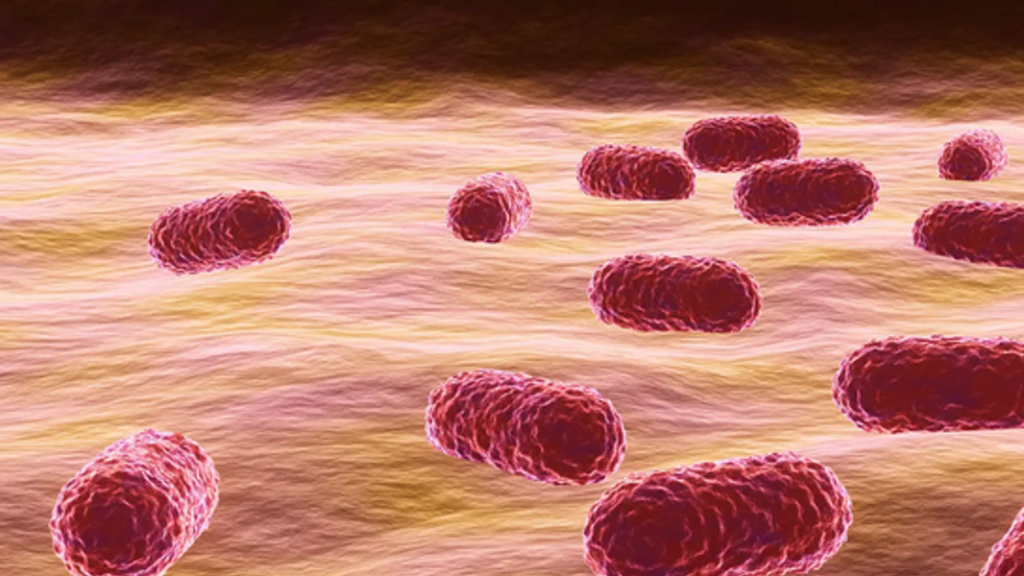
Antimicrobial resistance represents one of the main threats to public health globally, with clinical, epidemiological and economic implications of ever-increasing importance. According to the World Health Organisation (WHO), among the multi-drug-resistant pathogens of priority concern, Acinetobacter baumannii stands out for its alarming ability to acquire and maintain multiple resistances to last-resort antibiotics (such as carbapenems), which are used primarily in critical hospital settings.
Acinetobacter baumannii is a ubiquitous Gram-negative coccobacillus belonging to the Acinetobacter baumannii complex. Its ability to survive on hospital surfaces and medical devices, combined with its predisposition to the horizontal acquisition of resistance genes (including carbapenemases of the OXA family, such as OXA-23, OXA-24/40 and OXA-58), makes this pathogen a major challenge for the clinical management of healthcare-associated infections (HAIs). Indeed, its spread is strongly associated with hospital settings, where it is frequently implicated in severe infections such as ventilator-associated pneumonia (VAP), bacteraemia, urinary tract infections and surgical site infections, with a particularly high prevalence in intensive care units. Risk factors for infection include advanced age, the presence of serious underlying conditions, immunosuppression, severe trauma or burns, prior exposure to antibiotics, invasive procedures, mechanical ventilation and prolonged hospitalisation.
More specifically, carbapenem resistance presents the most significant therapeutic challenge, associated with increased mortality, longer hospital stays and higher healthcare costs. Infections caused by multidrug-resistant (MDR, XDR, and sometimes PDR) A. baumannii are, in fact, associated with high mortality rates (up to 40–60 per cent in cases of sepsis or VAP), major complications and a significant economic impact on the healthcare system. In a context where effective treatment options are gradually running out, innovative preventive strategies become essential.
Against this backdrop, vaccination emerges as a key preventive strategy for reducing the incidence of infections and limiting in-hospital transmission.
A recent study published in NPJ Vaccines (Higham SL, Wang Z, Murugaiah V, Song J, Thomas C, Zhang H, Griesenbach U, Alton EWFW, Granger LA, Esparza AF, Barbieri BD, Hitchen PG, Kellam P, Shattock RJ, Sriskandan S, Reece ST, Tregoning JS. Intranasal delivery of mRNA expressing newly identified Acinetobacter baumannii antigens protects against bacterial lung disease. NPJ Vaccines. 4 July 2025;10(1):144. doi: 10.1038/s41541-025-01202-0) identified two new, highly conserved A. baumannii antigens, Oxa23 and PAL.

Using recombinant messenger RNA (mRNA) technology, the researchers developed a vaccine encoding these antigens and tested it in mice, using two formulations: a recombinant membrane vesicle-based vaccine (rOMV) and an mRNA formulation.
Intranasal delivery of the mRNA-based vaccine encoding Oxa23 in mice with pulmonary infection induced a specific immune response, significantly reducing the bacterial load in the lungs, inflammatory damage and systemic spread.
These results are particularly significant as they were obtained in models simulating infection with carbapenem-resistant clinical strains in hospitalised patients, suggesting a potentially significant impact on the prevention of the most severe forms of infection. The choice of intranasal delivery is innovative and consistent with the epidemiology of A. baumannii, which frequently colonises the upper and lower respiratory tracts of ventilated patients. Furthermore, the induction of mucosal immunity promotes effective local defence, capable of hindering bacterial adhesion and invasion, both of which are key elements in the early control of infection.
Moreover, the use of the mRNA platform, already extensively validated during the SARS-CoV-2 pandemic, offers significant advantages such as rapid production, antigenic flexibility and adaptability to emerging strains. Thus, the previously limited application of this technology to Gram-negative bacterial pathogens opens up new prospects for vaccination, which has traditionally been hampered by the complexity of production and the immunogenic variability of multidrug-resistant microorganisms.
An effective vaccine against A. baumannii could also make a broad contribution to infection control and antibiotic stewardship policies.
Reducing ACI, in fact, lessens the selective pressure induced by the use of broad-spectrum antibiotics, thereby limiting the emergence of new resistant strains. Consequently, immunological protection would represent a crucial element not only for the individual patient’s safety but also for the overall resilience of healthcare systems.
Alongside the development of mRNA vaccines, preclinical studies are underway on alternative platforms, such as outer membrane vesicles (OMVs), recombinant proteins and plasmid DNA vaccines, targeting key antigens of A. baumannii. However, none of these approaches has yet reached advanced clinical stages, highlighting the biological and technological challenges associated with this pathogen.
The future availability of an effective and safe vaccine against A. baumannii would provide not only an essential tool in the management of hospital outbreaks, but also a high-impact primary prevention strategy for high-risk populations, with particular reference to ventilated patients, immunocompromised individuals or those requiring invasive medical devices.
VaccinarSinSardegna takes this opportunity to remind users that vaccination is among the top ten effective measures for combating not only the inappropriate use of antibiotics, but also and above all for counteracting the development of resistance to the action of an antimicrobial drug . Accordingly, the incorporation of vaccination against multi-drug-resistant pathogens into hospital prevention schemes and intensive care protocols would serve as a decisive step in the global response to the post-antibiotic era.
For further information, please visit the PROCARe Sardinia.it website.